Dental Disease in Small Mammals
When you share your home with a rabbit, guinea pig, chinchilla, or other pocket pet, you quickly learn that small bodies come with big personalities and very specific health needs.
At All Critters Veterinary Hospital in Grove City, OH, we know that dental disease in small mammals is one of the most common and most overlooked health concerns in these species. Early detection and preventive care can make a significant difference in your pet’s comfort and quality of life.
Why Dental Problems Are So Common
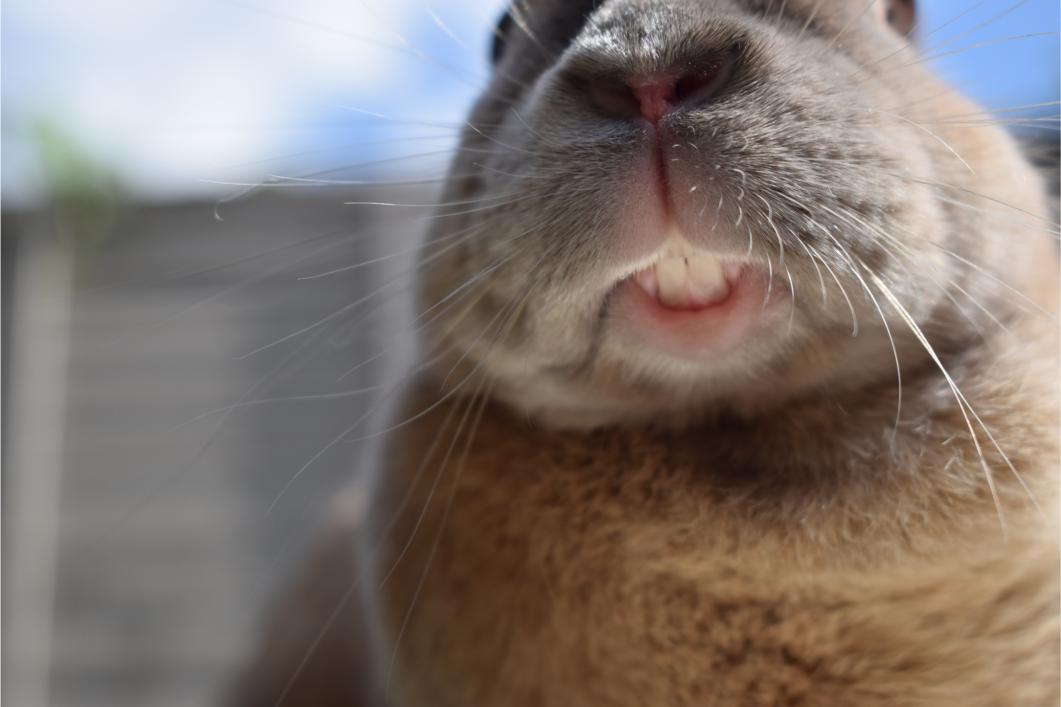
Unlike dogs and cats, many small mammals have continuously growing teeth. Rabbits and most rodents rely on a steady supply of fibrous foods to help wear their teeth down naturally. When diet, genetics, or jaw alignment interfere with normal wear, problems can develop quickly.
In rabbits, rabbit teeth overgrowth is especially common. Both the front incisors and the small mammal molars in the back of the mouth can grow too long or unevenly. Because molars are difficult to see without specialized equipment, disease can progress before owners realize there is a problem.
Rodent dental disease in guinea pigs and chinchillas follows a similar pattern. Abnormal wear can lead to sharp points, painful sores in the mouth, tooth root elongation, and difficulty chewing.
Without treatment, dental disease may lead to weight loss, gastrointestinal (GI) stasis, infection, and chronic pain.
Signs of Dental Disease in Small Mammals
Subtle changes matter. If you notice any of the following, it’s time to schedule an exam:
- Dropping food while eating
- Chewing on one side of the mouth
- Decreased appetite or selective eating
- Excessive drooling or a wet chin
- Weight loss
- Swelling along the jaw or face
- Reduced fecal output
These signs may indicate issues with incisors, small mammal molars, or deeper tooth roots. Because many problems occur below the gum line, diagnostics and oral exams are essential for accurate assessment.
How Veterinary Dental Care Helps
Professional evaluation is the cornerstone of exotic pet dentistry. During a wellness or sick visit, your veterinarian will examine your pet’s mouth, assess tooth alignment, and determine whether imaging or anesthesia is necessary for a complete evaluation.
Treatment depends on the severity of the disease. In cases of rabbit teeth overgrowth, a rabbit dental trim may be recommended. This procedure involves carefully reducing the length of overgrown incisors or molars to restore proper alignment and comfort. Because precision is critical, trims are performed using specialized instruments to protect delicate tissues.
For more advanced rodent dental disease, treatment may include:
- Corrective trimming of incisors or molars
- Filing of sharp points on small mammal molars
- Extraction of severely diseased teeth
- Pain management and supportive care
- Nutritional and husbandry adjustments
Timely intervention helps prevent complications such as abscess formation or chronic GI problems.
Prevention Starts at Home
While not all dental disease is preventable, proper husbandry significantly reduces risk. A high-fiber diet is the foundation of dental health for most small mammals.
To support healthy wear:
- Provide unlimited grass hay as the primary food source
- Offer species-appropriate pellets in measured amounts
- Include safe chew items recommended by your veterinarian
- Avoid high-sugar treats that disrupt normal chewing patterns
Regular wellness exams are equally important. Even if your pet appears healthy, annual visits allow your veterinarian to monitor tooth growth, jaw symmetry, and overall health. Early detection often means simpler treatment and less stress for your pet.
Schedule a Wellness Visit for Your Pocket Pet
If you’ve noticed changes in your rabbit, guinea pig, chinchilla, or other pocket pet, or if it’s time for a routine checkup, contact All Critters Veterinary Hospital at (614) 305-2085 to schedule a visit. Our team is experienced in exotic pet dentistry and small mammal care, and we look forward to partnering with you to keep your critter comfortable and healthy.