
Recurrent Skin Infections in Dogs
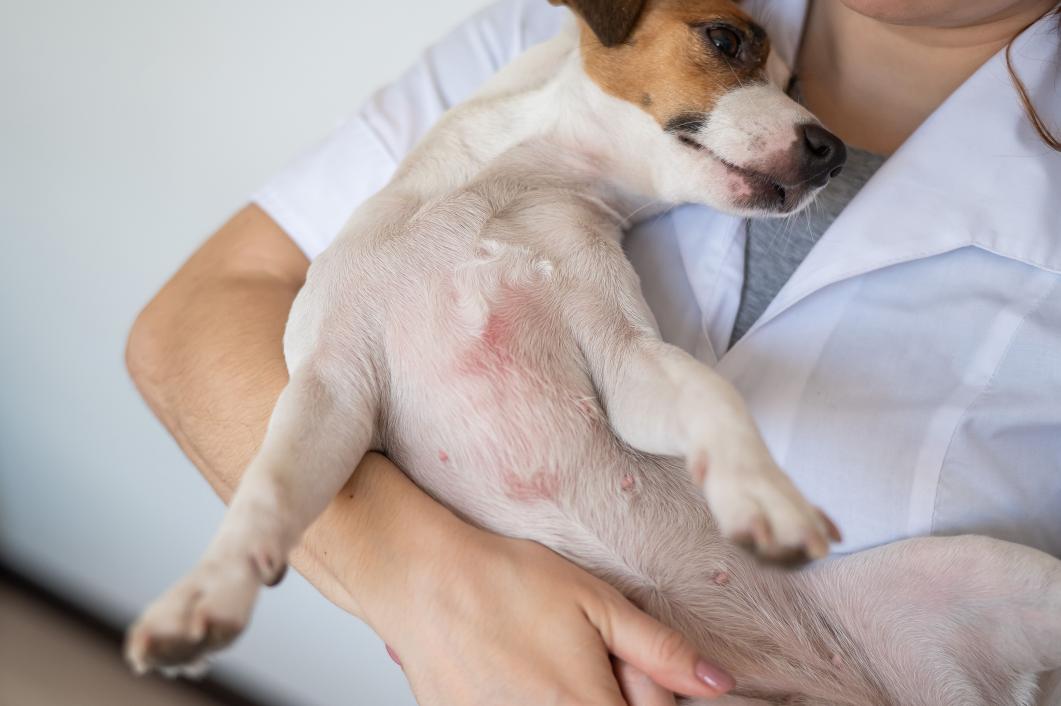
If your dog is dealing with itchy skin, redness, or flare-ups, you are not alone. Recurrent skin infections in dogs in Grove City, OH, are common, especially in areas with seasonal changes and humidity. It can feel frustrating when the problem improves for a while, only to come right back. The truth is, repeat infections are usually a sign that something more is going on beneath the surface.
Why Do Skin Infections Keep Coming Back?
When a dog develops a skin infection once, it is often treatable and resolves without much trouble. However, when infections keep returning, it is important to look deeper. One of the biggest reasons is that the underlying cause is never fully addressed.
Common underlying causes include:
- Environmental allergies like pollen, grass, and mold
- Food sensitivities or intolerances
- Fleas or other parasites
- Hormonal imbalances, such as thyroid disease
- Skin barrier damage from chronic inflammation
In the Midwest, seasonal allergens are a big contributor to the chronic dermatitis pets experience, especially when the seasons are changing.
Why Antibiotics Stop Working Over Time
If your dog has been on multiple rounds of medication, you might start to wonder why the antibiotics have stopped working. It is not that the medication suddenly fails; it’s that the bacteria become more resistant with repeated exposure.
Here is what happens over time:
- Bacteria adapt and become harder to kill
- Infections return more quickly after treatment
- Stronger or more targeted medications are needed
- Treatment may take longer to be effective.
This is how resistant skin infections in dogs become more complex and sometimes more frustrating for pet owners.
Looking Deeper Than the Skin
To truly break the cycle, we have to dig deeper. Diagnostics such as skin cytology, cultures, and allergy testing can help identify what is really driving the issue. Without this step, treatment often becomes a temporary fix instead of a lasting solution.
Your veterinarian may recommend:
- Skin cytology to look for bacteria or yeast
- Bacterial culture and sensitivity testing
- Allergy testing or diet trials
- Bloodwork to rule out internal conditions
Managing recurrent infections often includes a combination of treatments tailored to your dog’s specific needs.
Long-Term Management & Prevention
There is rarely a quick fix for chronic skin issues, but there is a path forward. Consistent care makes a big difference.
Helpful prevention strategies include:
- Using medicated shampoos
- Year-round flea prevention
- Addressing allergies with medications or diet changes
- Monitoring for early signs like licking, redness, or odor
- Following up with your vet for rechecks
For many dogs, long-term management becomes the goal rather than a one-time cure. With the right plan, dogs with chronic dermatitis in the Midwest can still live comfortable, happy lives without constant discomfort.
Ready to Help Your Dog Feel Better?
If your dog is stuck in the cycle of itching, infections, and repeat treatments, it may be time to take a closer look. Our team at All Critters Veterinary Hospital is here to help get to the root of the problem and create a plan that actually works.
Schedule an appointment at All Critters Veterinary Hospital today.