
GI Stasis in Rabbits: Why It Happens and How It Progresses
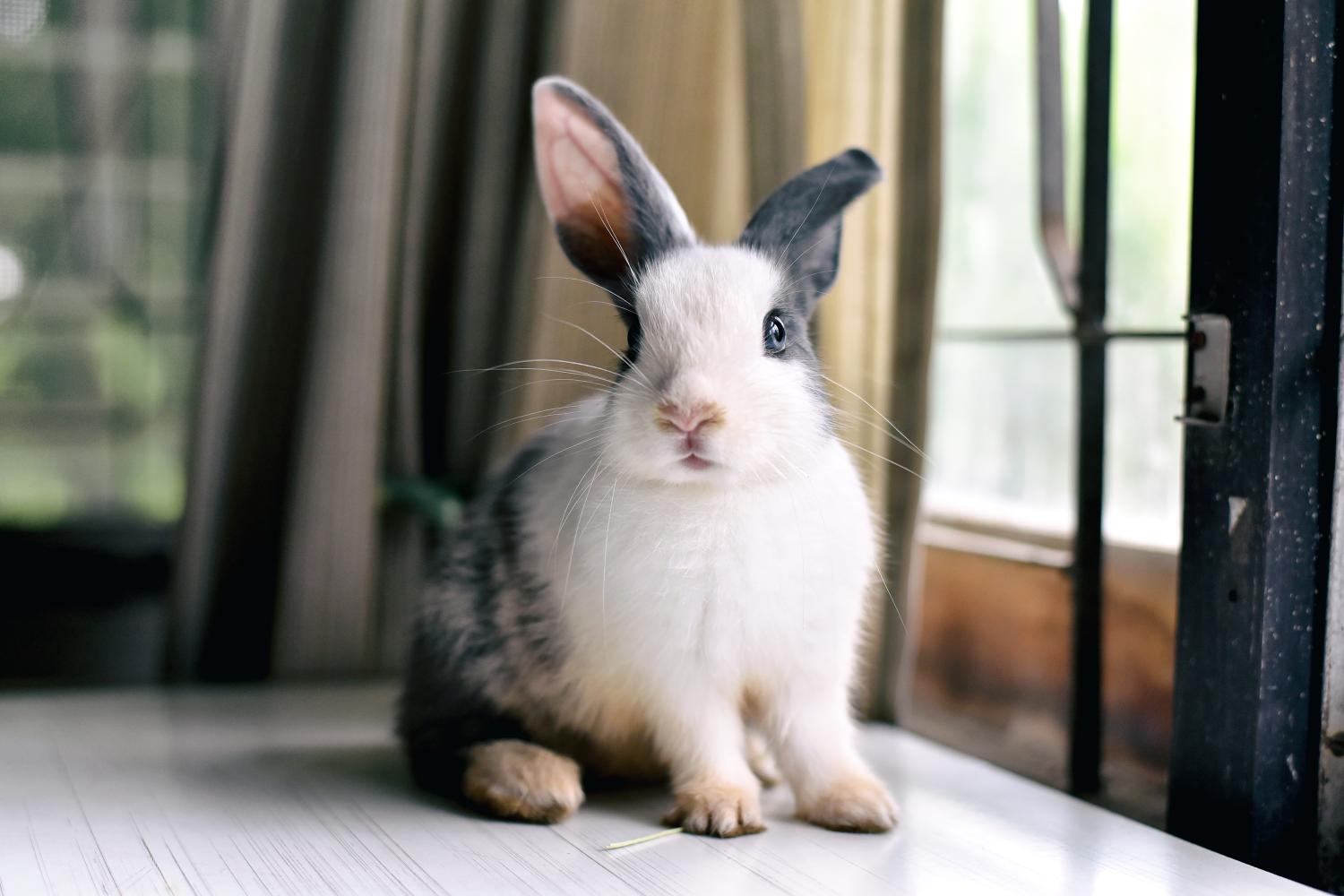
Rabbits are usually cute little snack-guzzling machines. They munch, they nibble, they forage, and they keep their digestive system constantly moving. So when that behavior suddenly changes, it is not just an off-day situation.
One of the most serious conditions rabbit owners can face with owning an exotic pet is GI stasis. In order to understand why it happens and how it progresses, you need to understand how a rabbit’s digestive system works. It may sound complicated, but the idea is simple. A rabbit’s digestive system slows down or stops, and that can quickly become life-threatening.
Early recognition matters more than anything, especially when dealing with rabbit GI stasis symptoms, because they can escalate faster than most people expect.
The First Little Red Flags
GI stasis does not usually show up all at once. It tends to whisper before it screams.
Early signs include:
- Eating less hay or fewer pellets than normal
- Smaller or fewer droppings
- A bunny sitting still more than usual
- Mild changes in posture, like a hunched position
- Reduced interest in eating favorite treats
One of the biggest warning signs to look for is if your bunny stops eating. Even a short period without food in rabbits is not normal and should never be ignored.
Other subtle rabbit GI stasis symptoms can include teeth grinding (a sign of discomfort), decreased grooming, or hiding more than usual.
What Actually Causes a Gut Slowdown
A rabbit’s digestive system is all about movement. Fiber in, fiber out. When something interrupts that flow, trouble starts.
Rabbit gut stasis causes include:
- Diet too low in fiber or hay
- Stress from environmental changes or loud noises
- Pain from dental issues or injury
- Dehydration or not drinking enough water
- Lack of exercise or reduced movement
- Underlying illness that makes the rabbit feel unwell
Sometimes it is not just one cause but a combination of causes. That is why digestive slowdown in rabbits can happen overnight, even with pets that are well cared for.
When food stops moving properly through the gut, gas builds up, bacteria shifts, and the discomfort increases. That discomfort makes the rabbit eat even less, which worsens the cycle.
How It Progresses & Why Time Matters
This condition can move from mild to severe very quickly. At first, a rabbit may just slow its eating habits. Then droppings become tiny or stop completely. After that, the digestive system can become painfully backed up with gas and dehydrated food material.
As it progresses, you may notice:
- No droppings at all
- A very bloated or tight belly
- Severe lethargy or refusal to move
- Hunched posture and obvious discomfort
- Complete refusal to consume food and water
At this stage, the situation becomes critical. Rabbits cannot safely go long without eating because their gut depends on constant movement.
This is where rabbit GI stasis symptoms can shift from having to be monitored closely to needing to seek immediate veterinary care.
Why This Becomes an Emergency
Rabbits are unique in how their digestive system works. They’re designed to keep things moving at all times. When it slows down, everything in the body is affected.
A few reasons this becomes urgent so quickly:
- The gut can physically shut down if not stimulated
- Pain will increase appetite loss
- Dehydration worsens blockages
- Gas buildup becomes extremely painful
- Underlying illness may be progressing at the same time
This is why waiting it out is never a good idea. A bunny not eating is an emergency that should always be treated as urgent, even if the rabbit still looks alert.
Don’t Wait It Out, Call Your Exotic Vet!
When it comes to rabbit health, time is everything. If you notice rabbit GI stasis symptoms, reduced appetite, or any signs of digestive slowdown in your rabbit, it is always better to act early.
If your rabbit is showing signs of stasis or is not eating, consider it an emergency; contact All Critters Veterinary Hospital right away. Quick treatment can make a major difference in recovery and comfort.