Diagnostics & Imaging at the Vet: How Advanced Testing Helps in Treatment
While we can gather a lot of important details about a pet’s health from their appearance and behavior, veterinary diagnostics and imaging provide insight we cannot get in any other way. To fully understand what’s going on with a pet, we rely on common tests like bloodwork, urinalysis, X-rays, ultrasounds, and more. More information leads to a specific, accurate treatment plan, and ultimately, a better prognosis.
Seeing the Invisible
The following veterinary diagnostics help us make important connections:
- Bloodwork: Test results can show the functioning levels of organs, whether the body is fighting an infection, and help us create a plan for surgery, illness/disease, and overall wellness.
- Fecal tests: Because intestinal parasites commonly occur, we depend on tests to determine the type and proper medication.
- Urinalysis: Kidney function, infection, and disease like diabetes can all be confirmed via urine testing, and provides insight into the treatment approach.
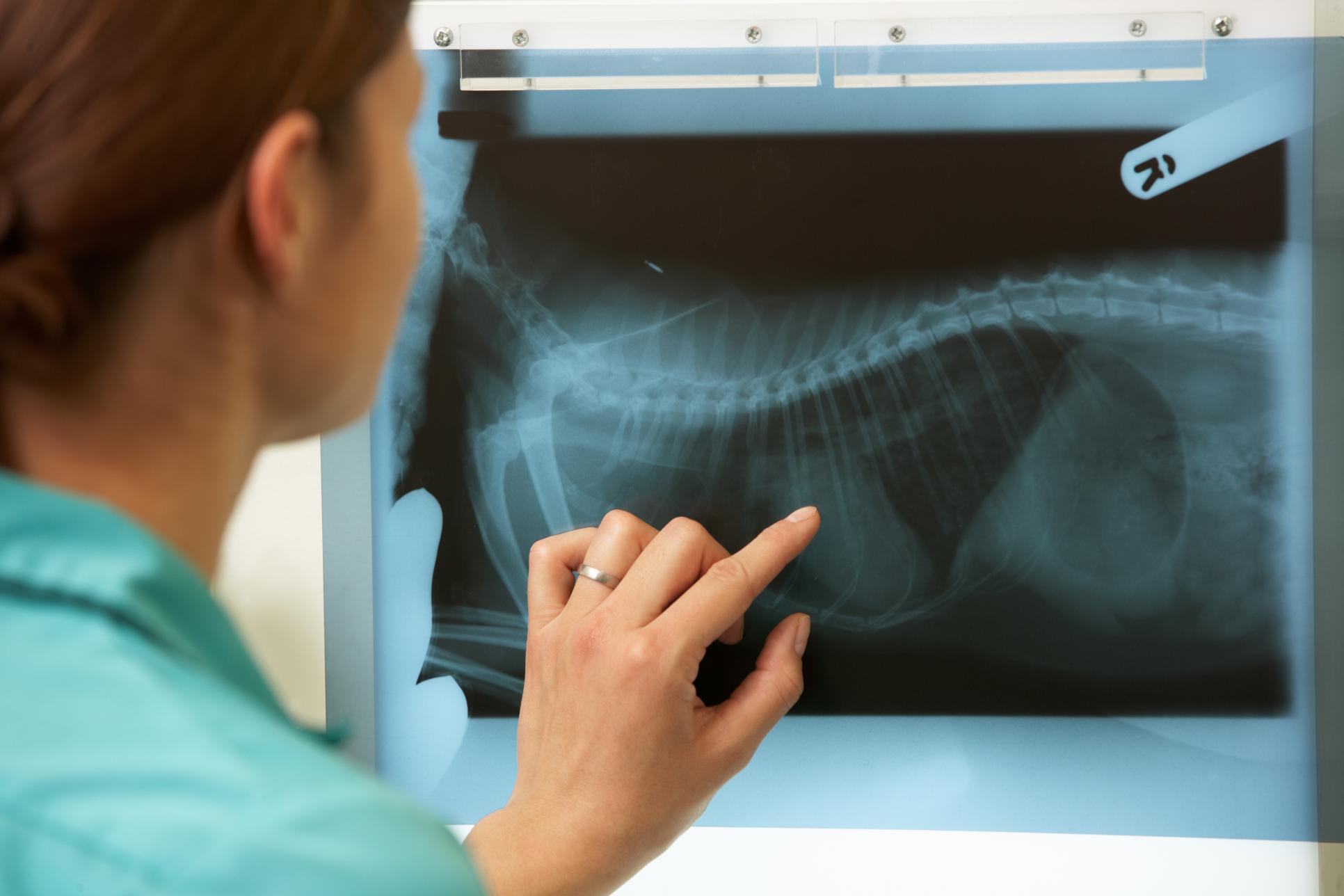
- X-rays: If there is an injury to the musculoskeletal system, digital radiographs can tell us the location and degree of fracture, but X-rays also help us understand heart/lung issues, and even arthritis.
- Ultrasound: Using sound waves, ultrasounds can pick up tumors, pregnancy, and help us learn about the state and function of internal organs.
- Cytology: Anytime a pet has a lump, bump, or skin infection or growth, we can take samples and have them tested. This is essential to diagnosing cancer and other diseases, and early detection can yield a better outcome.
- Electrocardiogram (ECG): If there are other symptoms, we can employ an ECG to determine heart disease by measuring the rhythm of the heart.
Pet Lab Testing
Veterinary diagnostics and imaging can lead to early detection of disease. When we intervene early, we can interrupt the progression of disease and impact advancement. Sometimes we uncover problems before symptoms appear, but many times symptoms are what direct us to take certain tests. Either way, early detection is crucial to a more effective, less expensive treatment.
Advanced Vet Technology
Diagnostics play valuable roles in preparing a pet for surgery. We rely on this information to ensure a pet can withstand the stress of anesthesia and recovery, and results can direct us to make informed decisions about medication and strategy.
We also use advanced vet technology to track the progression of disease. If a pet needs follow up after a fracture, or is receiving treatment for chronic diseases, we can use diagnostics to fully understand the progress, or make changes accordingly.
All Critters Veterinary Hospital
When considering whether veterinary diagnostics are worth the potential cost, it’s important to know that test results can deliver accuracy and inform specific treatments. Diagnostics can also promote overall safety during surgery or other procedures, and lead to an earlier and cost-effective way forward. Above all, veterinary lab work can improve longevity and enhance well-being.
Please let us know if you have any questions or concerns about veterinary diagnostics and imaging. Our staff is always happy to help at All Critters Veterinary Hospital.