
June Lawn Treatments and Pet Exposure in Central Ohio Neighborhoods
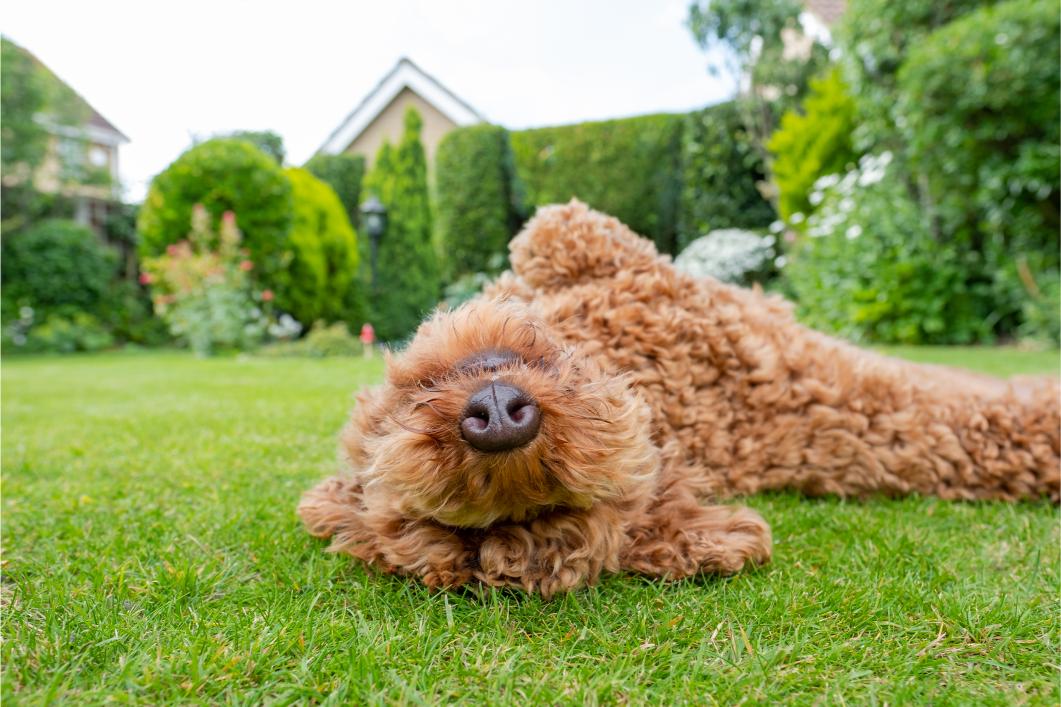
As summer arrives, many homeowners begin seasonal yard care to keep their lawns looking healthy and green. Fertilizers, weed control products, and pest treatments are common this time of year—but this can raise concerns about lawn chemicals and how they affect pets in Ohio. At All Critters Veterinary Hospital in Grove City, we want to help you understand what’s being used in your neighborhood, and how to keep your pet safe while still enjoying your outdoor spaces.
Why Lawn Treatments Increase in June
June is one of the busiest months for lawn care. Warmer temperatures and regular rainfall create ideal conditions for grass growth, as well as for weeds and insects that can quickly take over untreated areas.
To manage these seasonal changes, many homeowners apply:
- Fertilizers to support healthy growth
- Herbicides to control weeds
- Pesticides to reduce insect activity
While these treatments are effective, they can introduce temporary risks for pets—especially those who spend a lot of time outside or explore with their noses and paws.
How Pets Come Into Contact With Lawn Chemicals
Even if you don’t treat your own yard, your pet may still be exposed during walks or time spent in shared green spaces. This is one reason yard chemicals are a concern for those with pets in Ohio.
Common exposure scenarios include:
- Walking across recently treated grass
- Licking paws after being outdoors
- Rolling or lying in treated areas
- Drinking from puddles or runoff
Dogs, in particular, are more likely to encounter these risks simply because they spend more time outside. This is why discussions around summer lawn treatments and dogs tend to come up during the warmer Ohio months.
Being aware of when and where treatments are applied can help you make safer choices for your pet’s daily routine.
Signs of Possible Exposure
Most pets will not experience serious effects, but it’s still important to recognize early warning signs. Symptoms can vary depending on the type of product and level of exposure.
Watch for:
- Drooling or excessive licking
- Vomiting or diarrhea
- Skin irritation, especially on the paws
- Lethargy or unusual behavior
If your pet shows any of these symptoms after being outdoors, it’s best to have them evaluated promptly.
Supporting Lawn Care and Pet Safety
You don’t have to choose between a well-maintained yard and your pet’s well-being. With a few simple precautions, you can support lawn care and pet safety at the same time.
Consider these tips:
- Follow all product instructions, including drying times
- Keep pets off treated areas until it’s safe
- Wipe paws after walks or outdoor time
- Store lawn products securely
- Ask about pet-conscious lawn care options
These steps are especially helpful for grass treatment and pets in Grove City, where neighborhood lawn care schedules vary from home to home.
Enjoying Summer Safely With Your Pet
Summer is meant to be enjoyed, and with a little planning, you can feel confident about your pet’s safety outdoors. Staying mindful of timing and exposure can help reduce risks associated with yard treatments.
If you have questions about symptoms, prevention, or your pet’s health, our team is here to help. Call All Critters Veterinary Hospital at (614) 305-2085 to schedule a wellness visit and get guidance tailored to your pet’s needs.