How Spring Diet Changes Can Disrupt Digestion in Small Mammals
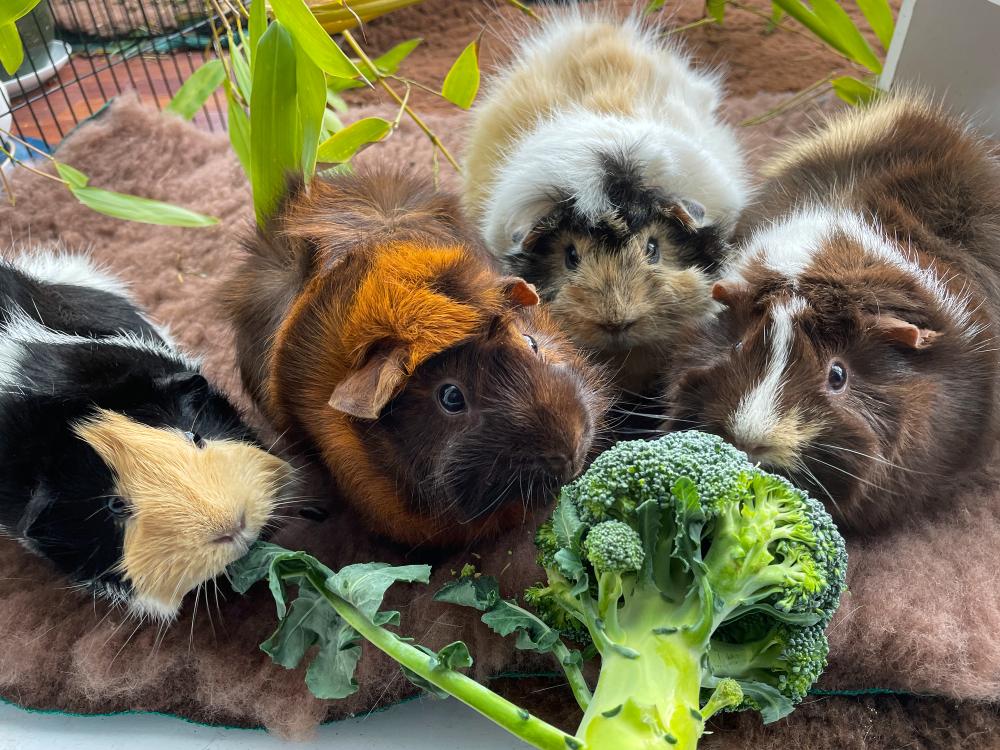
Has your roaming rabbit started nibbling on fresh shoots of mysterious new growth in your backyard? Are your kids excitedly picking new greens from the garden to give to your guinea pig? While spring is a thrilling time for every creature, it also comes with spring diet risks for exotic pets.
Here’s what our team at All Critters Veterinary Hospital wants you to know about exotic pet digestive problems that can crop up in the spring.
Why Spring Can Do a Number on Small Mammal Digestion
Spring brings sudden access to fresh plants, grasses, and veggies your small mammals haven’t enjoyed all winter. Some pets are more susceptible to nibbling on random new plants than others.
Rabbits, for instance, should spend lots of time hopping around in the evenings and early mornings. They will inevitably spend a portion of that time nibbling on all the green new things they can find during outdoor time.
This is one reason why we may see an uptick in rabbit GI stasis cases in the spring. Gastrointestinal stasis is a dangerous condition in which the digestive tract’s normal function slows down or stops.
This causes gas, bacteria, and food to build up in the intestines, leading to pain, dehydration, and loss of appetite. The condition requires emergency veterinary care, so keep an eye out for any signs of rabbit GI stasis cases in the spring, including:
- Fewer, smaller, or oddly shaped fecal pellets—or no poop at all
- Decrease or total loss of appetite
- Lethargy and reluctance to move at times when your bunny is usually active
- Hunched posture and/or tooth grinding, which can be signs of abdominal pain in rabbits
- Lessened water intake and/or signs of dehydration
If you notice any of these signs of GI stasis in your rabbit or small mammal, reach out to your veterinarian right away. The sooner your rabbit is diagnosed and begins treatment, the better her chances of a positive outcome.
Common Spring Diet Mistakes We See
During the spring, we often see cases of small mammal GI stasis linked to too-fast diet transitions after winter. These issues are often preventable if you avoid:
- Introducing new greens (or letting your pet roam in areas with lots of inviting, new greens) too quickly
- Reducing your pet’s hay intake once fresh foods are available—make sure she gets the same amount!
- Offering garden plants without first making sure they’re safe for your little pet to eat
No matter the variety of greens and garden-grown veggies available, hay is still the basis (80-90%) of a rabbit or guinea pig’s diet. The high fiber content in hay helps keep things moving along and is instrumental in avoiding GI stasis and the illness that comes with it.
Safe Spring for Smaller Critters
Do you need help with treatment or recovery for small mammal GI stasis in Ohio? The experienced team at All Critters Veterinary Hospital is skilled in handling this condition. Call our office at (614) 305-2085 during weekday work hours to set up an appointment.