
March Mold Thaw: Basement Mold, Pet Coughing, and Midwest Respiratory Flares
March in central Ohio has a way of keeping everyone on their toes. One day feels like winter, the next hints at spring. And while that thaw is welcome, it also brings a less charming seasonal guest: mold.
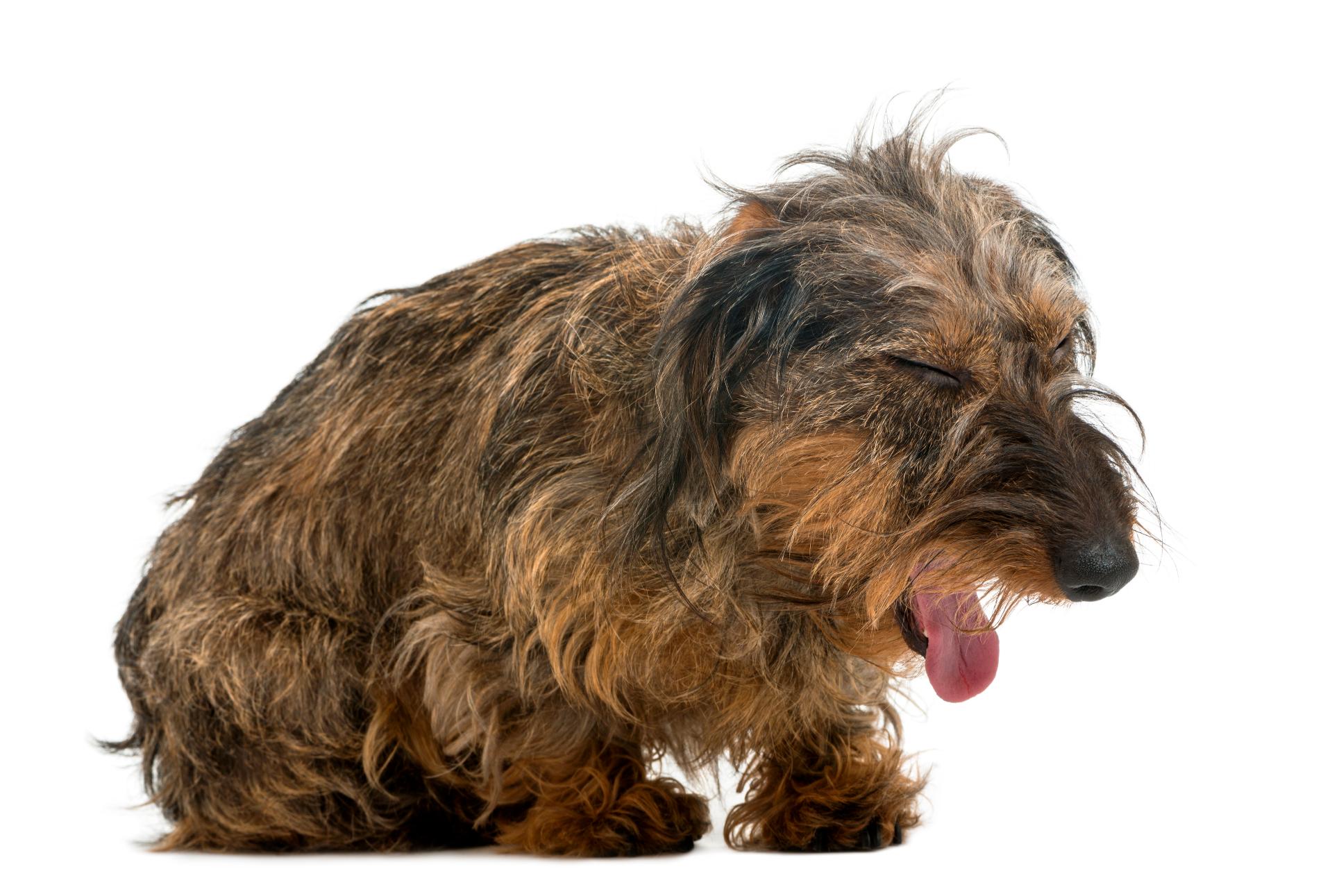
As Ohio’s mold season ramps up, many pet owners notice coughing, sneezing, or other breathing changes in their pets. At All Critters Veterinary Hospital in Grove City, OH, we often see a spring respiratory flare in pets tied to environmental changes this time of year.
Why March Triggers Mold Growth in Ohio Homes
Winter snowmelt and early spring rain create ideal conditions for mold growth, particularly in basements. As frozen ground thaws, moisture seeps into foundations, crawl spaces, and lower-level rooms. Poor ventilation and lingering humidity give mold spores exactly what they need to thrive.
For pets, this can be a problem. Mold spores become airborne and circulate through your home, where curious noses and low-to-the-ground breathing put animals at higher risk of exposure. Basement humidity and pets often go hand in hand, especially in households where dogs nap downstairs or where litter boxes are kept in the basement.
How Mold Can Affect Your Pet’s Respiratory Health
Mold exposure doesn’t affect every pet the same way, but for those with sensitive airways, it can trigger noticeable symptoms. A pet cough due to mold may sound dry, persistent, or slightly wheezy and often worsens indoors.
Common respiratory signs linked to mold exposure include:
- Coughing or frequent throat clearing
- Sneezing or nasal discharge
- Watery or irritated eyes
- Increased fatigue or exercise intolerance
- Changes in breathing rate or effort
These signs may come and go or slowly intensify as exposure continues. If symptoms linger longer than a few days, it’s time to check in with your vet to rule out infection, allergies, or other underlying conditions.
Pets Most at Risk During Mold Season
While any animal can be affected, certain pets are more likely to struggle during Ohio mold season. Understanding your pet’s individual risk helps you respond faster if symptoms appear.
Pets who tend to be more vulnerable include:
- Senior pets with naturally weaker immune systems
- Breeds prone to respiratory issues, including brachycephalic dogs
- Pets with asthma, allergies, or chronic bronchitis
- Animals spending significant time in basements or damp areas
Even birds and small mammals can be sensitive to airborne irritants, making indoor air quality especially important for multi-pet households.
Reducing Mold Exposure at Home
The good news is that small environmental changes can make a meaningful difference. Managing moisture is the first step in reducing spring respiratory flare in pets.
Helpful strategies include:
- Using a dehumidifier to control basement moisture
- Running exhaust fans in bathrooms and laundry areas
- Cleaning visible mold with pet-safe products
- Keeping pets out of damp basements when possible
These steps won’t eliminate mold entirely, but they can significantly reduce airborne spores and irritation.
When to Call Your Veterinarian
If your pet’s cough, sneezing, or breathing changes persist, worsen, or are accompanied by lethargy or appetite changes, don’t wait it out. Mold-related symptoms can mimic infections or heart and lung conditions, making a professional evaluation essential.
Our team takes the time to listen, assess environmental factors, and determine whether allergies, mold exposure, or another medical issue is at play. Early intervention often leads to quicker relief and a more comfortable spring for your pet.
Breathe Easier This Spring
March doesn’t have to mean mystery coughing or restless nights for you and your pet. With awareness and timely care, respiratory issues associated with mold exposure can be managed effectively. If you’ve noticed signs of a spring respiratory flare in pets or want peace of mind as the seasons change, our team is here to help.
Call All Critters Veterinary Hospital in Grove City, OH, at (614) 305-2085 to schedule a wellness visit and make sure your pet is breathing easy this spring.